Coronary & Peripheral Angiography
Detailed evaluation of coronary and peripheral arteries to diagnose blockages.
Read More
Fill this form to book your appointment.
Dr. Ravindra Ghule is a highly accomplished Interventional Cardiologist with extensive expertise in advanced cardiac diagnostics and life-saving therapeutic procedures. With over 5,000 successful cardiac interventions, he is recognized for his precision, clinical excellence, and patient-centric approach.
Dr. Ghule specializes in complex coronary angioplasty, including CTO, bifurcation, and multivessel disease, and is proficient in structural cardiac procedures such as Transcatheter Aortic Valve Implantation (TAVI). His expertise also extends to pacemaker, ICD, and CRT device implantation, as well as advanced management of heart failure, hypertension, and valvular heart disease.
He currently practices as a Consultant Interventional Cardiologist at Fortis Hospital, Mulund, Mumbai, where he independently performs high-risk angioplasties, structural heart interventions, and emergency cardiac procedures like primary PCI for acute myocardial infarction.
Know More Book Appointment
Total Experience
Years of Expertise
Cardiac Interventions
Complex Procedures Performed
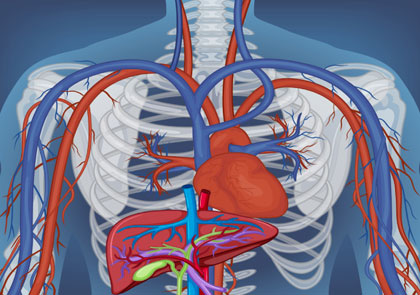
Detailed evaluation of coronary and peripheral arteries to diagnose blockages.
Read More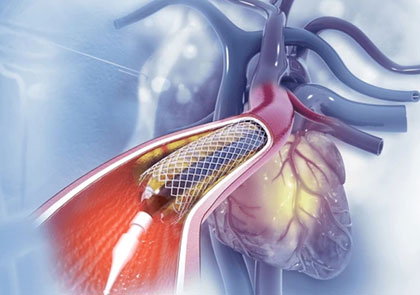
Specialized angioplasty for CTO, bifurcation, and multivessel coronary blockages.
Read More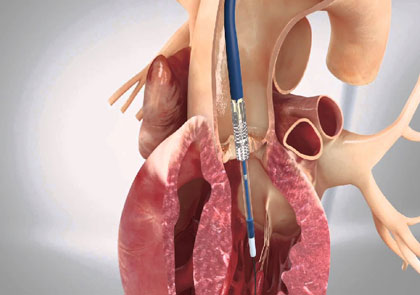
Minimally invasive aortic valve replacement for high-risk surgical patients.
Read More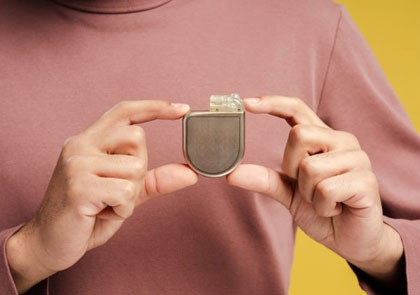
Pacemaker, ICD, and CRT implantation for rhythm and conduction disorders.
Read More
Immediate treatment for heart attacks, including life-saving Primary PCI.
Read More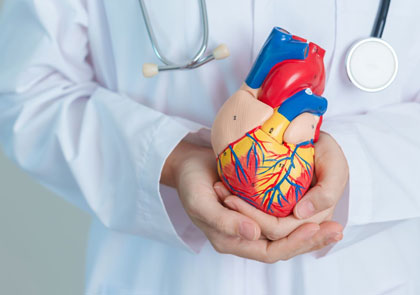
Comprehensive care for heart failure and cardiomyopathy patients.
Read More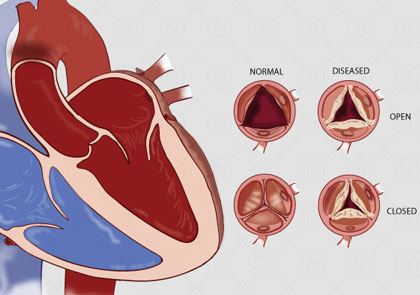
Diagnosis and long-term management of high blood pressure and valve disorders.
Read More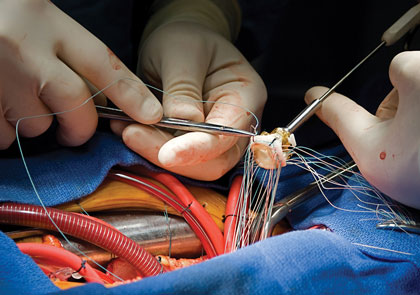
Minimally invasive procedures for structural abnormalities of the heart.
Read More
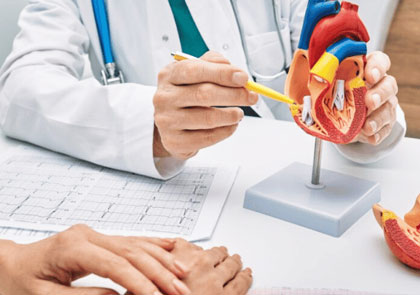
Complete cardiac care, follow-ups, and hospital-based treatment services.
Read MoreSkilled in complex coronary angioplasty, TAVI, and advanced cardiac procedures.
Extensive hands-on experience with excellent procedural outcomes.
Uses latest tools and techniques for minimally invasive and safer procedures.
Expertise in managing acute heart attacks with fast and effective Primary PCI.
Holistic treatment plans for heart failure, cardiomyopathy, and long-term care.
Skilled in Pacemaker, ICD, and CRT implantation for rhythm and conduction disorders.
Accurate evaluation of hypertension, valve diseases, and coronary artery disease.
Ensures clear communication, comfort, and personalized care for every patient.

One of the Finest, intelligent, Talented Young Cardiologist From Fortis Hospital. He will make you understand everything you have asked about the patients disease and condition.
He answers even your call whenever you are in need.
I must recommend to visit him if one has heart problems.
My father was admitted with a severe cardiac issue, and Dr. Ghule’s quick decision-making and calm approach saved his life. He guided us at every step, answered all our questions patiently, and provided reassurance when we were panicking. His expertise, humanity, and constant support make him a doctor you can trust with your life.
One of the finest young interventional cardiologists today. Dr. Ghule combines intelligence with compassion, and that makes a huge difference in patient recovery. He is approachable, humble, and explains everything in simple language. Highly recommended if you are looking for an expert who genuinely cares.
What impressed me the most was Dr. Ghule’s ability to make complex cardiac issues easy to understand. His professionalism, kindness, and expertise make him one of the best cardiologists we’ve consulted.
You should consult a cardiologist if you experience:
Early evaluation helps prevent heart attacks and long-term complications.
Coronary angiography is a diagnostic test where dye is injected into the heart arteries to check for blockages.
It is recommended for patients with:
Angioplasty is a commonly performed and generally safe procedure.
Benefits include:
With experienced hands, complications are extremely rare.
Transcatheter Aortic Valve Implantation (TAVI) is a non-surgical method to replace a diseased aortic valve.
You may need TAVI if you have:
TAVI offers quicker recovery and improved quality of life.
Heart failure symptoms may develop gradually or suddenly.
Timely treatment helps prevent hospitalizations and improves survival.
You may require a device if you have:
Modern devices are highly safe and significantly improve survival and quality of life.
Prevention begins with healthy lifestyle choices.
Regular checkups with a cardiologist help detect risks early.
Chest pain should never be ignored.
Immediately:
Quick action can save your life during a heart attack.