
Transcatheter Aortic Valve Implantation (TAVI) is a modern, minimally invasive procedure used to replace a severely narrowed aortic valve without open-heart surgery. It is especially beneficial for elderly patients or those who are at high risk for conventional heart surgery. TAVI restores proper blood flow from the heart to the body, improving breathing, energy levels, and overall quality of life.
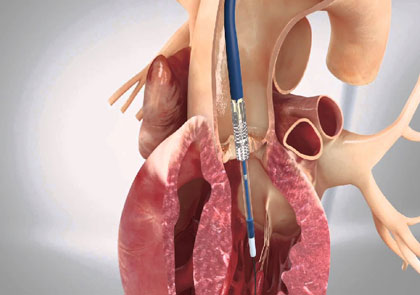
During the procedure, a new valve is delivered through a thin catheter inserted through a blood vessel in the leg or chest. The new valve is positioned inside the diseased valve and immediately starts functioning. The entire procedure is performed using advanced imaging guidance for maximum safety and precision.
TAVI is a catheter-based valve replacement technique used to treat severe aortic valve stenosis, a condition where the valve becomes narrowed and restricts blood flow from the heart. Unlike traditional surgery, TAVI does not require opening the chest or stopping the heart.
This procedure is commonly performed for: