Structural Heart Disease Interventions

Structural heart disease interventions are advanced minimally invasive procedures used to correct defects in the heart’s structure, including valves, chambers, and walls. These conditions can be present from birth or develop over time due to aging, infection, or other heart diseases. Timely intervention helps restore normal blood flow, improve symptoms, and prevent serious complications.
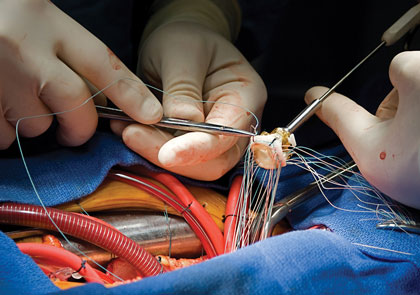
These procedures are performed using catheter-based techniques without the need for open-heart surgery in many cases. Advanced imaging guidance ensures precise treatment with faster recovery and reduced procedural risk.

    What is Structural Heart Disease?

    Structural heart disease refers to abnormalities in the heart’s valves, walls, chambers, or blood vessels connected to the heart. These abnormalities interfere with normal blood flow and heart function.

    Common structural heart conditions include:

    • Valve narrowing or leakage
    • Atrial septal defect (ASD)
    • Ventricular septal defect (VSD)
    • Patent foramen ovale (PFO)
    • Left atrial appendage abnormalities

    When are Structural Heart Interventions Needed?

    • Breathlessness with daily activities
    • Recurrent chest discomfort
    • Unexplained fatigue or reduced exercise capacity
    • Repeated stroke or clot formation
    • Heart murmurs detected on examination

    Benefits of Structural Heart Disease Interventions

    • Minimally invasive, catheter-based treatment
    • No major surgical incision required
    • Shorter hospital stay and quicker recovery
    • Improvement in heart function and blood flow
    • Reduced risk of long-term complications
    • Better quality of life