
Pacemaker and cardiac device implantation is a specialized procedure used to treat abnormal heart rhythms and support the heart’s electrical system. These advanced devices help regulate heartbeat, prevent dangerous rhythm disturbances, and significantly improve quality of life in patients with slow or irregular heart rhythms.
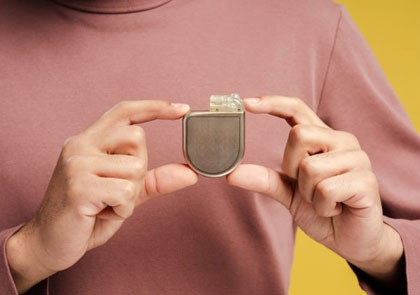
The procedure involves placing a small electronic device under the skin near the chest, with thin wires connected to the heart. The device monitors the heart’s rhythm and delivers electrical impulses when needed to maintain a safe and steady heartbeat. It is a minimally invasive procedure with quick recovery.
This procedure involves the implantation of a cardiac rhythm management device to treat conditions where the heart beats too slowly, too fast, or irregularly. Different types of devices are used based on the patient’s condition and heart function.
Commonly implanted devices include: