
Emergency cardiac care provides immediate, life-saving treatment for patients experiencing sudden and serious heart conditions such as heart attack, severe chest pain, dangerous heart rhythm disturbances, or cardiac arrest. Rapid and timely medical attention during a cardiac emergency plays a critical role in saving lives and preventing permanent heart damage.
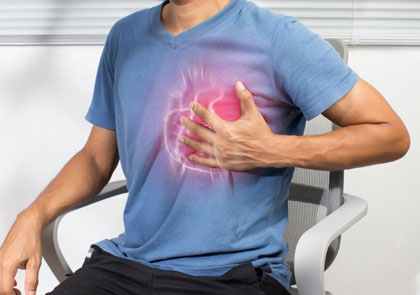
Advanced emergency cardiac care includes rapid diagnosis through ECG, blood tests, and imaging, followed by immediate medical management or urgent procedures such as angiography, angioplasty, defibrillation, or temporary pacing. A well-coordinated emergency response ensures fast stabilization and the best possible outcome for patients.
Emergency cardiac care refers to the urgent medical treatment provided to patients with sudden heart-related problems that require immediate attention to prevent death or serious complications. It focuses on rapid assessment, stabilization, and definitive treatment.
Common cardiac emergencies include: