
Coronary and Peripheral Angiography are advanced diagnostic procedures used to evaluate blood flow in the heart and other parts of the body. These tests help identify blockages or narrowing in blood vessels that may lead to serious conditions such as heart attack, stroke, or poor circulation in the limbs. Angiography provides a clear and accurate picture of vascular health, allowing for early and precise treatment.
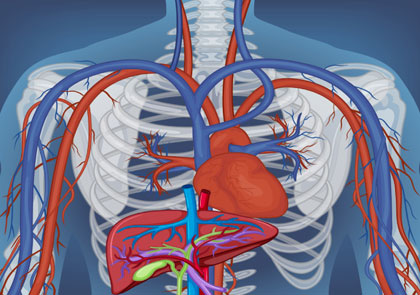
The procedure is minimally invasive and performed using a thin, flexible tube (catheter) inserted through the wrist or groin. A special contrast dye is injected into the blood vessels, and real-time imaging is used to detect any blockages or abnormalities. The test is safe, quick, and usually requires only a short hospital stay.
Coronary angiography is a specialized test used to examine the arteries that supply blood to the heart. It helps doctors understand how well blood is flowing through the heart and whether there are any blockages or narrowing in the arteries.
It is mainly used for:
This test plays a vital role in preventing heart attacks and guiding timely treatment.
Peripheral angiography is used to evaluate blood vessels outside the heart, especially in different parts of the body where poor blood flow can cause serious complications. It examines the arteries in the:
It is commonly recommended to diagnose:
Peripheral angiography helps in detecting circulation problems early and planning proper treatment to prevent complications.
Please click here for new information
Best Cardiologist in Mulund