A heart attack is a life-threatening medical emergency that can strike suddenly or develop slowly over time. Many people believe heart attacks happen without warning, but in reality, the body often sends early warning signals days, weeks, or even months before a major cardiac event. Recognizing these symptoms early and seeking immediate medical care can save lives and prevent permanent heart damage.
Understanding the warning signs is especially important for people with diabetes, high blood pressure, high cholesterol, obesity, smoking habits, or a family history of heart disease. This article explains the early symptoms of a heart attack in simple language, helping you protect yourself and your loved ones.
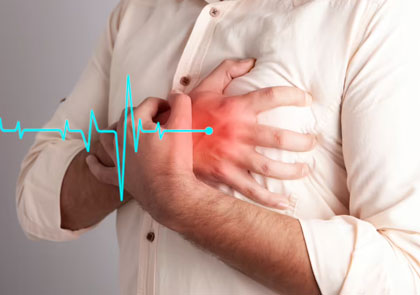
A heart attack occurs when the blood supply to a part of the heart muscle is suddenly blocked—most commonly by a blood clot forming over a cholesterol plaque inside a coronary artery. When blood flow stops, the heart muscle does not receive oxygen and begins to die within minutes.
Fast treatment during this critical window can:
Not all heart attacks come with dramatic symptoms. Some people experience silent heart attacks, where symptoms are mild and often ignored. These may include:
Silent heart attacks are common in people with diabetes and elderly patients and can cause significant heart damage if left untreated.
You are at increased risk if you have:
Such individuals should be extra alert to early warning signs.
If you or someone near you experiences symptoms suggestive of a heart attack:
Early treatment within the golden first hour can dramatically improve survival and recovery.
Yes. Most heart attacks are preventable with proper lifestyle changes and medical care:
A heart attack often gives warning before it becomes fatal. Listening to your body, taking symptoms seriously, and acting fast can save your life or the life of your loved one. Never underestimate chest discomfort, breathlessness, or unexplained fatigue—early medical care makes all the difference.
Your heart works tirelessly for you every second. Taking care of it today ensures a healthier tomorrow.