
High blood pressure, also known as hypertension, is a common health condition that silently damages the heart over years when left uncontrolled. Many people live with high blood pressure without any noticeable symptoms, which is why it is often called the “silent killer.” Although you may feel perfectly fine, persistent high blood pressure constantly puts extra strain on your heart and blood vessels, increasing the risk of serious and life-threatening heart problems.
Understanding how high blood pressure affects your heart over time can help you take early steps to protect your health and prevent long-term complications.
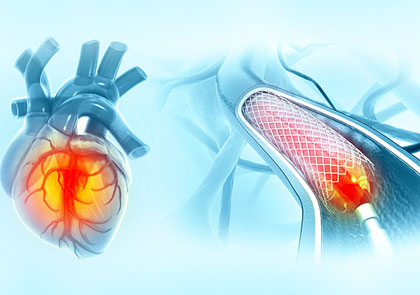
Blood pressure is the force with which blood pushes against the walls of your arteries. When this pressure remains higher than normal for a long period of time, it is called high blood pressure.
Normal blood pressure is around 120/80 mmHg. When readings stay consistently above 140/90 mmHg, it is considered hypertension. This extra pressure forces the heart to work harder than it should.
High blood pressure itself may not cause early symptoms, but once heart damage begins, you may notice:
You may be at greater risk if you have:
Yes, in most cases, heart damage due to high blood pressure can be prevented or slowed down with proper care and lifestyle changes.
Many people feel normal even when their blood pressure is very high. Regular health check-ups help in detecting hidden damage early, adjusting medications on time, and preventing sudden heart emergencies.
High blood pressure may not cause pain, but it silently weakens your heart day after day. If left untreated, it can lead to heart attack, heart failure, stroke, and sudden cardiac events. The good news is that with early detection, proper treatment, and healthy lifestyle choices, most of these complications can be prevented.
Taking care of your blood pressure today is one of the most important steps you can take for a healthy heart and a longer, better quality of life.